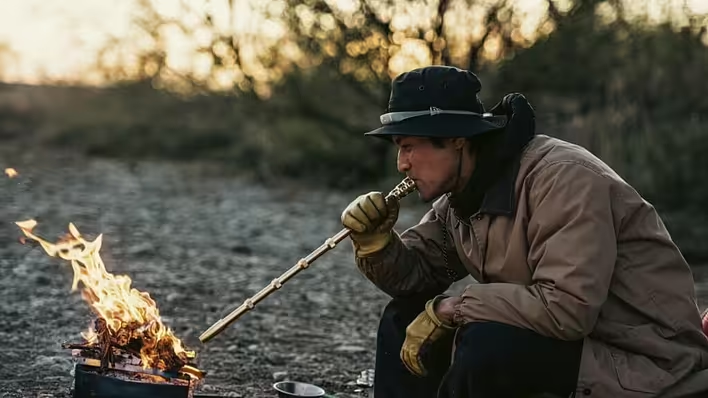
The blowpipe is one of the simplest tools for working with fire, used for hundreds of years. Despite its elementary design, it significantly eases the process of lighting a fire, maintaining heat in a stove or fireplace, and is even used in crafts.
Unlike bellows or other devices, the pipe does not create a powerful airflow — its main advantage is precision.
The most accurate name in Ukrainian is blowpipe or fire-blowing pipe. In English, the term blowpipe is used.
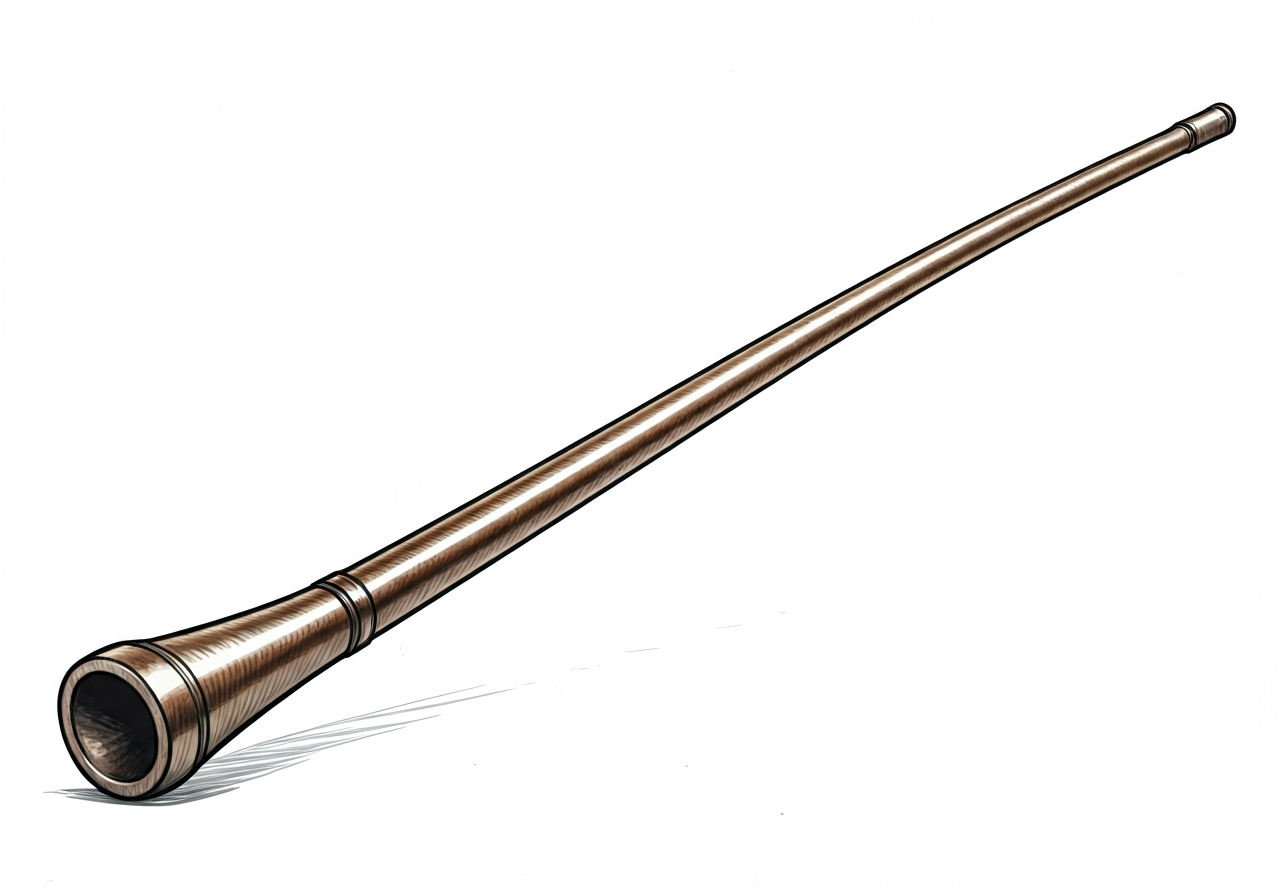
This is a long narrow tube through which a person directs air directly to the coals or flame.
The principle of operation is very simple: the pipe concentrates the airflow and directs it to a specific point.
When you blow:
the air passes through a narrow channel
the flow becomes faster and more directed
oxygen goes directly to the heat
This allows you to quickly “revive” even weak coals without a lot of smoke in your face.
The blowpipe has a fairly wide range of applications:
lighting a fire in nature
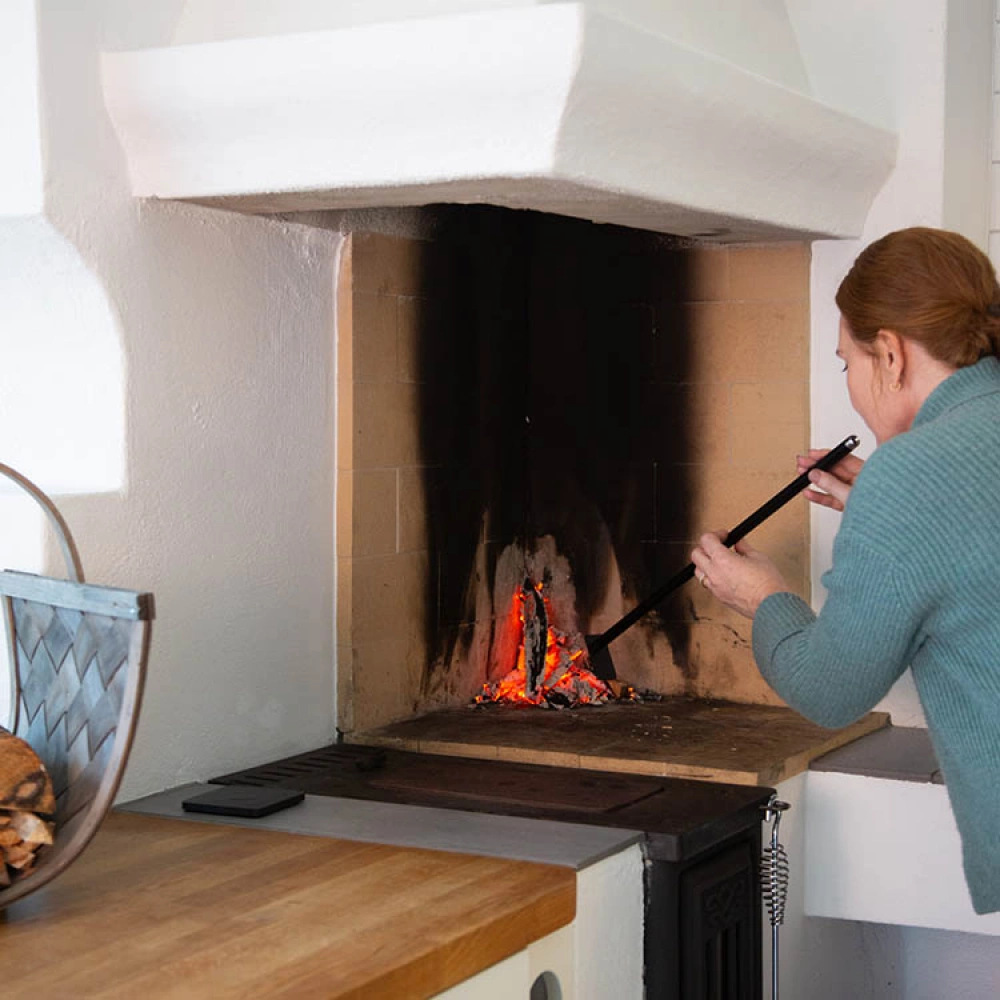
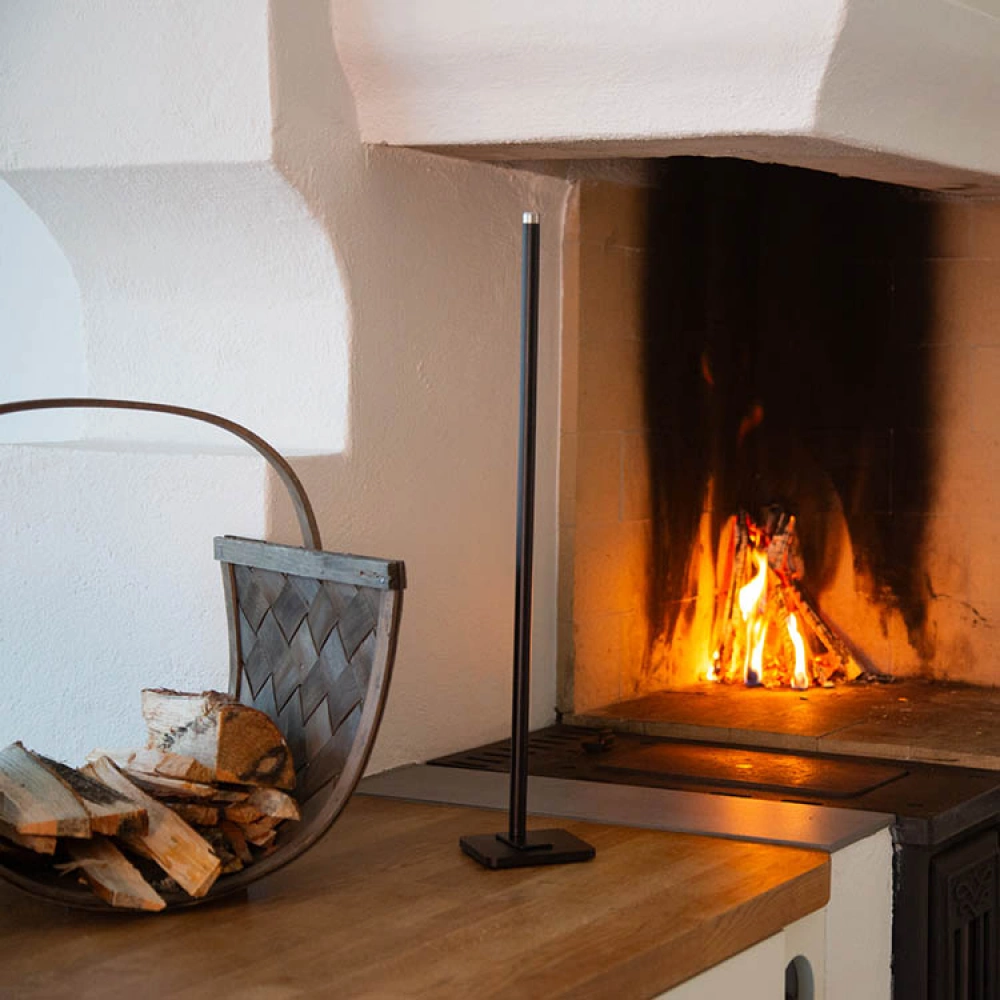
maintaining a fire in stoves and fireplaces
cooking over an open flame
blacksmithing and craft workshops
tourism and bushcraft
It is especially useful where it is necessary to carefully enhance the heat, rather than just “blow” the fire chaotically.
Materials depend on the era and conditions of use.
Traditional options:
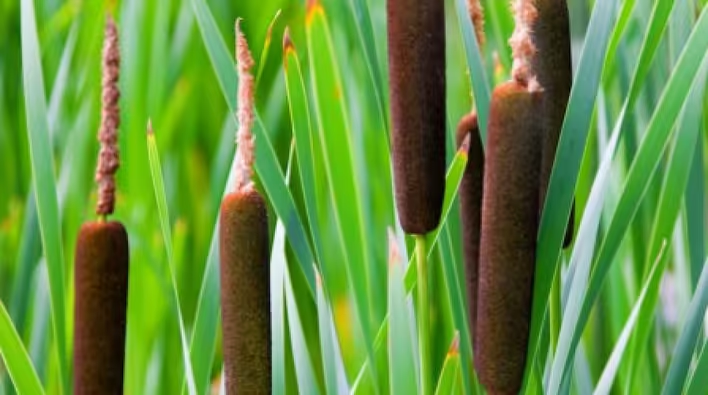
reeds or bamboo
wood (with a drilled channel)
Modern options:
metal (most often stainless steel)
composite materials with heat-resistant tips
Metal pipes are more practical: they are durable, not afraid of moisture, and do not burn out.
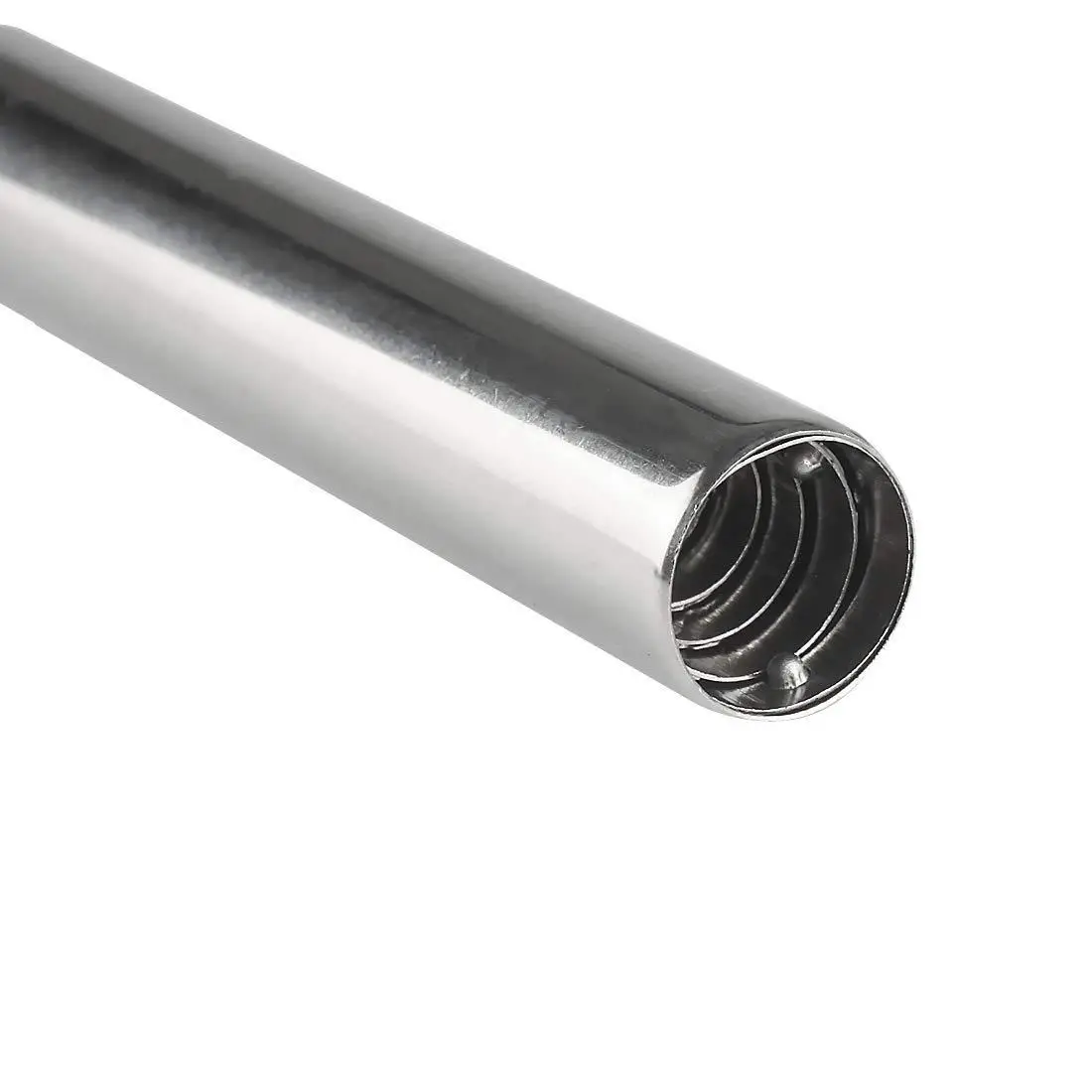
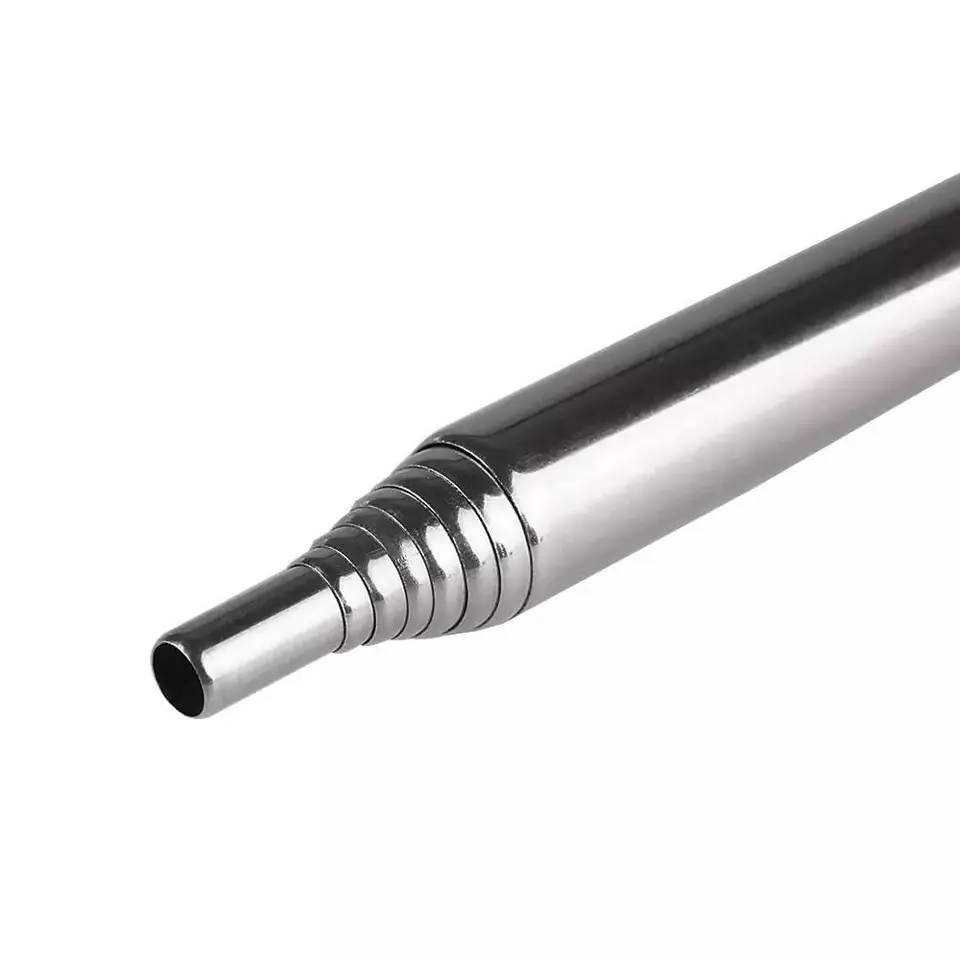
It is worth mentioning a modern version — telescopic blowpipe.
This is a compact tool that:
folds down to the size of a handle or small case
extends to full length (often 40–60 cm)
easily fits in a pocket or backpack
Such pipes are especially popular among tourists, as they:
take up minimal space
allow keeping the face at a safe distance from the fire
provide precise control over the airflow
Many models have a metal tip that does not overheat and does not deform.
This is especially noticeable when igniting wet wood or weak heat.
The blowpipe is an example of a simple yet effective tool that has not lost its relevance even today. It does not replace complex devices, but it performs its task excellently where precision and control are needed.
This is especially evident in modern telescopic models: minimal space — maximum benefit.