Frying pan is a basic kitchen tool that seems simple at first glance. In fact, the difference between materials, coatings, and shapes directly affects the taste of food, cooking speed, and even whether the dish will turn out consistently. Below is a detailed guide to help you understand the topic.
Cast Iron Frying Pans
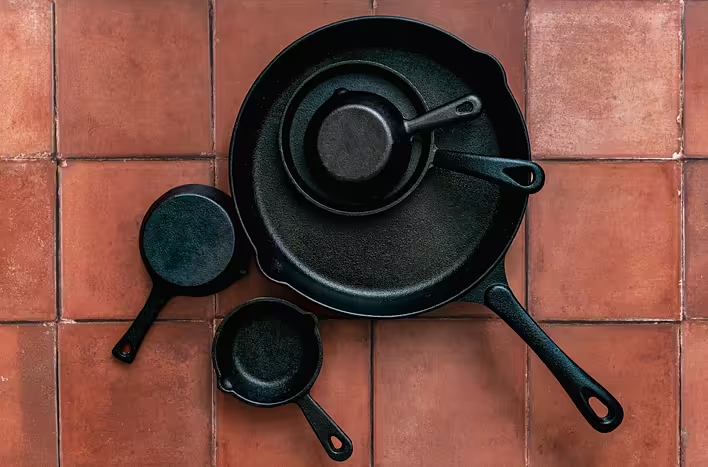
Cast iron is one of the oldest materials for cookware that has not lost its relevance. Its main feature is the ability to accumulate and retain heat for a long time. Such a frying pan does not heat up instantly, but it maintains a stable temperature even after you place a cold product on it.
This is especially important for meat: a steak on cast iron gets a nice crust because the temperature does not drop. Additionally, with regular use and proper care, a natural non-stick layer forms on the surface — the so-called “film” of polymerized oil.
However, cast iron requires discipline: it should not be left in water for long, it needs to be dried after washing, and sometimes — lightly oiled. It is also quite heavy, which may not be convenient for everyone.
Best suited for: steaks, fried potatoes, vegetables, baking in the oven.
Aluminum Frying Pans
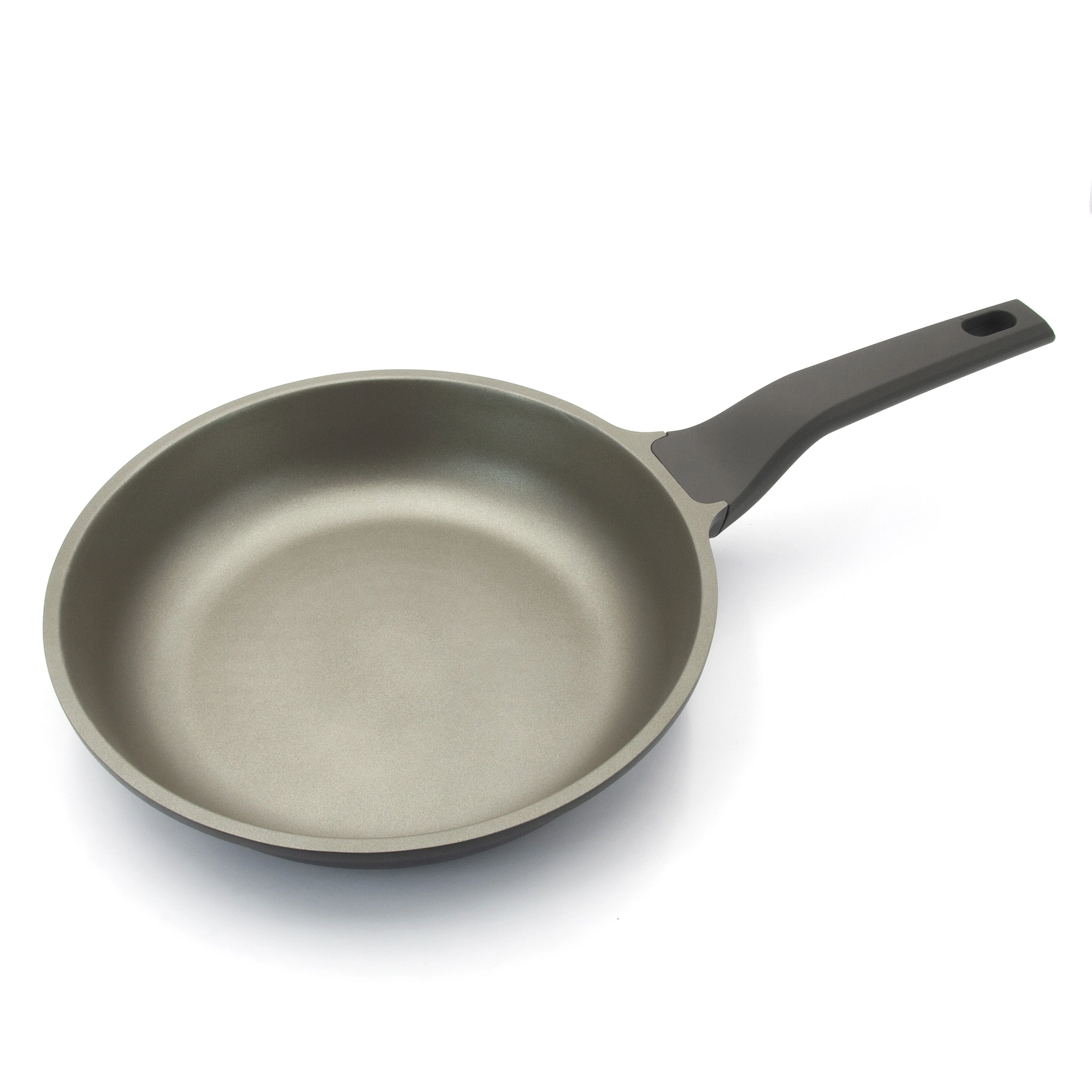
Aluminum is one of the most common materials in modern kitchens. Its main advantage is lightness and quick heating. Such a frying pan is ready to work literally in a minute.
But pure aluminum has drawbacks: it is soft and can deform from high temperatures. Therefore, most modern models have additional layers (for example, reinforced bottoms) or non-stick coatings.
Aluminum frying pans with coatings are a universal option for “everyday” use. They are well-suited for quickly preparing simple dishes and do not require complicated care.
Best suited for: eggs, vegetables, chicken, everyday cooking.
Stainless Steel Frying Pans
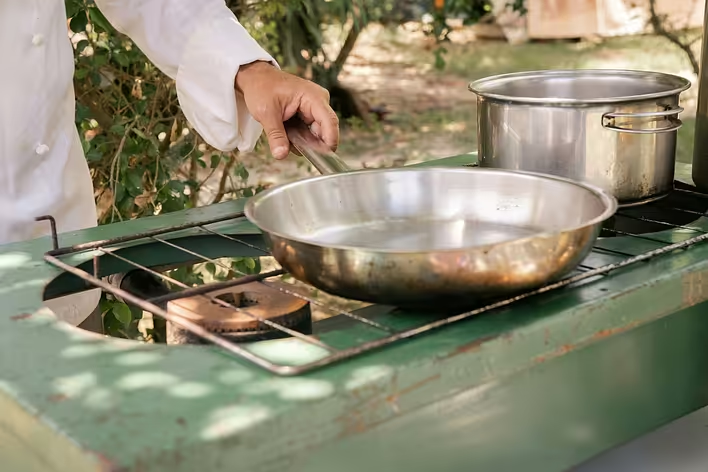
Stainless steel looks maximally “professional” — and for good reason. It is scratch-resistant, does not react with acidic products (like tomatoes or wine), and can last for years.
But there is a nuance: without skills, it is easy to “stick” food on it. Here, it is important to work correctly with the temperature — heat the frying pan well before adding oil and ingredients.
Usually, quality models have a multi-layer bottom (for example, with an aluminum or copper core), which helps distribute heat more evenly.
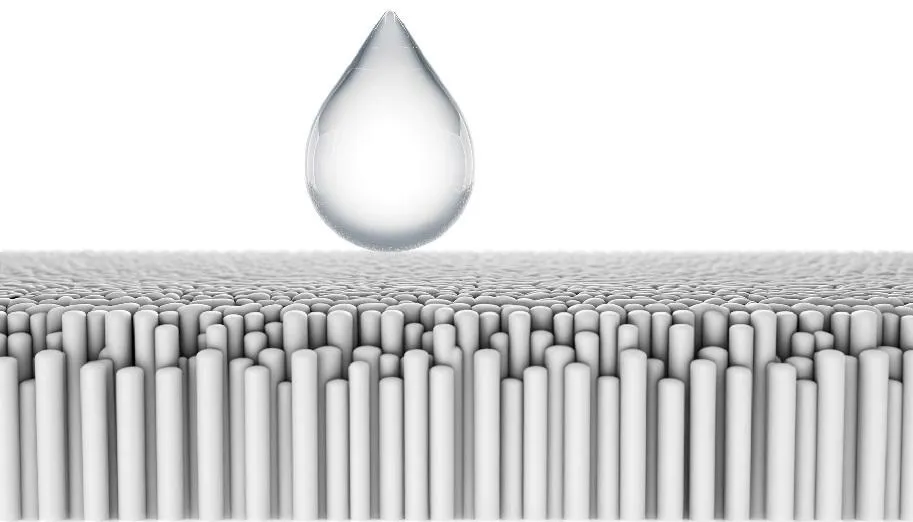
How to check the heating: drop a few drops of water. If they form separate beads and “slide” across the surface — the temperature is perfect (Leidenfrost effect). If the water simply evaporates — the frying pan is not hot enough yet.
Best suited for: sauces, seafood, vegetables, frying followed by stewing.
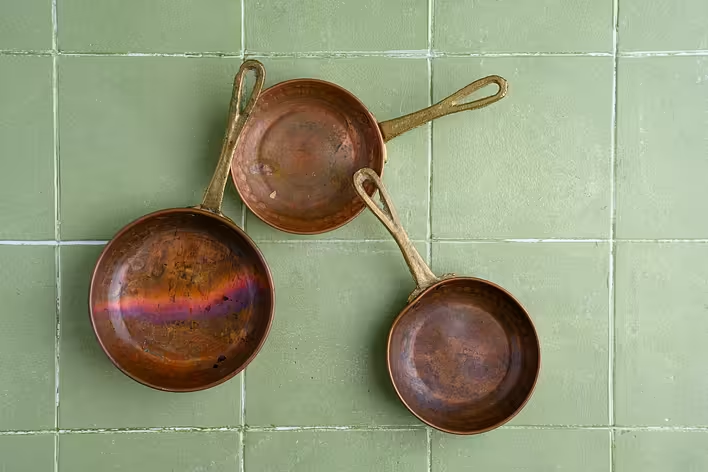
Copper Frying Pans
Copper is already a level of professional kitchen. It reacts instantly to temperature changes: reduce the heat — and the frying pan immediately “cools down.”
This gives full control over the process, which is especially important for complex dishes and sauces. However, copper is often combined with an inner layer of steel or another material to avoid reactions with food.
The main downside is the high price and the need for maintenance, as copper can tarnish.
Best suited for: sauces, delicate dishes, precise culinary control.
Types of Non-Stick Coatings
Teflon Coating
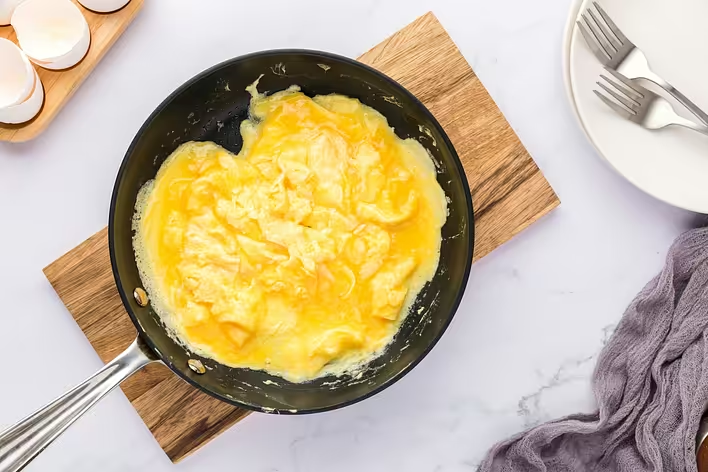
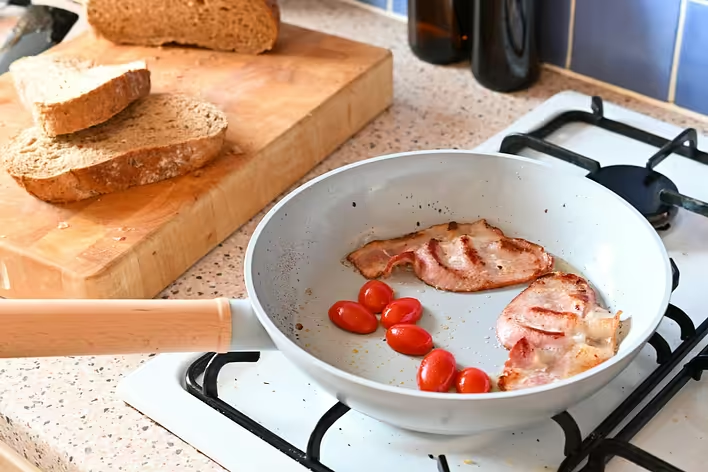
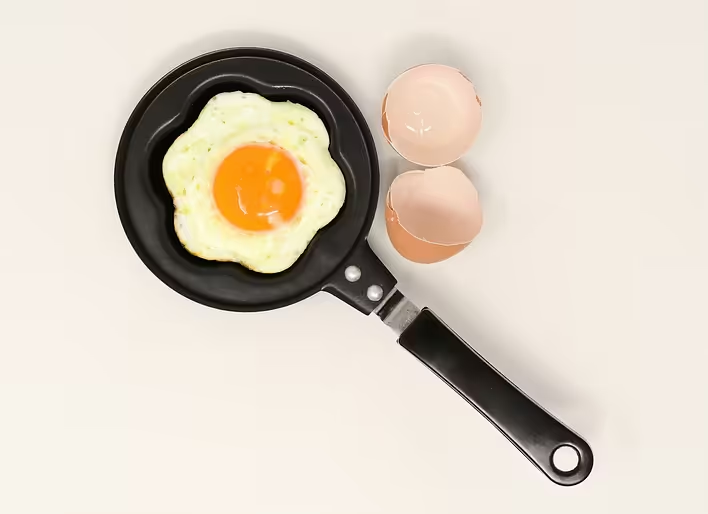
This is the most well-known and convenient option for home use. It allows cooking with minimal oil, which is especially convenient for breakfasts.
Food flips easily, does not stick, and washing takes literally a minute. But there is a weak point — sensitivity to scratches and high temperatures. Overheating can damage the coating.
Ceramic Coating
Ceramics is often positioned as a more “eco-friendly” alternative. It withstands higher temperatures than Teflon and is not as sensitive to overheating.
Initially, such frying pans have excellent non-stick properties, but over time they may weaken — especially with intensive use.
Stone (Mineral) Coating
This is not literal stone, but a coating with added mineral particles (granite, marble, etc.). It is more resistant to mechanical damage and retains its properties longer.
Such frying pans are usually a bit heavier but also more reliable.
Types of Frying Pans by Purpose
Universal (Classic)
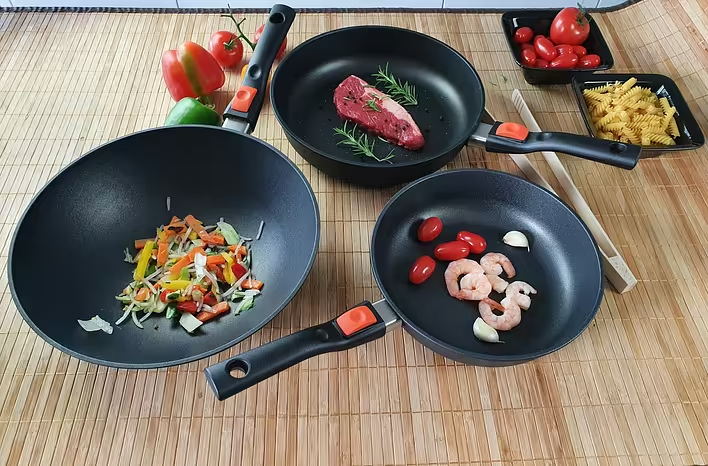
This is a standard frying pan that is suitable for almost everything. It has a medium depth and a flat bottom. If you have only one frying pan — it is most likely this one.
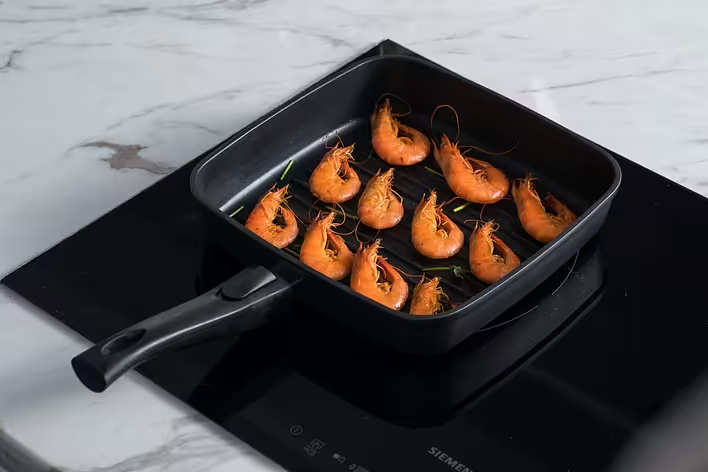
Grill Pan
It is easily recognizable by its ridged bottom. It creates characteristic stripes on food and allows fat to drain into the grooves.
As a result, dishes are less fatty, and the texture is more “restaurant-like.”
Wok
A deep frying pan with high walls that came from Asian cuisine. It allows you to quickly fry ingredients at very high temperatures while constantly stirring them.
This is the ideal option for dishes where speed and preservation of texture are important.
Crepe Pan
It has low edges and a flat surface. This allows for easy spreading of the batter and flipping crepes without unnecessary movements.
Sauté Pan
A hybrid of a frying pan and a pot. High walls make it ideal for stewing, sauces, and dishes with a lot of liquid.
How to Check if the Frying Pan is Hot Enough
Proper heating is one of the key conditions for successful cooking. It determines whether food will stick, whether a crispy crust will form, and whether the texture of the products will be preserved.
Stainless Steel
The classic method is the “water test.” Drop a little water: if the droplets form into beads and slide across the surface — the temperature is perfect. If the water simply evaporates — it is too early to cook.
Cast Iron
Cast iron requires slow heating. Signs of readiness:
noticeable even heat;
a drop of water “dances” and gradually evaporates;
oil spreads easily across the surface.
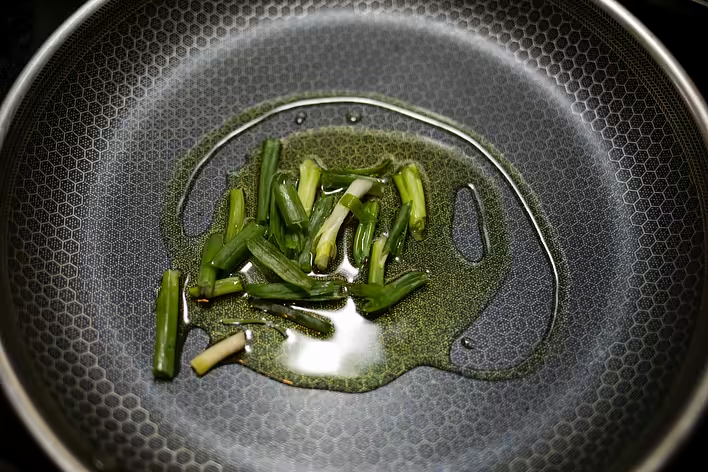
Aluminum with Non-Stick Coating
Heats up very quickly. Look for:
oil flowing;
light sizzling when adding ingredients.
It is important not to overheat — the appearance of smoke means the temperature is already too high.
Ceramic and Stone
Can withstand slightly higher temperatures. The indicators are the same:
oil becomes liquid;
even heat;
steady sizzling without overheating.
Grill Pan
The ridged surface needs to be well heated. If there is a clear sizzling when placing ingredients — the frying pan is ready.
Wok
Works at very high temperatures:
a drop of water evaporates instantly;
oil may slightly smoke;
ingredients fry actively right away.
How to Choose a Frying Pan
Proper use significantly extends the lifespan of cookware. For example, non-stick frying pans should not be heated “dry” — it is better to add a little oil right away. Also, do not use maximum heat unnecessarily.
For cast iron, it is important to avoid sharp temperature changes and aggressive detergents. And for any coating — do not use metal utensils unless it is specified.
To choose a frying pan, start with a simple question: what do you cook most often. If it is breakfasts — a light non-stick model will do. If it is meat — it is better to pay attention to cast iron or grill.
Pay attention to the weight: a frying pan that is too light often means a thin bottom that heats unevenly. A good model should feel “solid.”
Compatibility with the stove is also important: for induction, a special magnetic bottom is required.
The handle is another underrated aspect. It should be comfortable, non-slip, and preferably not heat up. If you plan to use the frying pan in the oven — check if this is allowed by the manufacturer.
Common Mistakes
Many try to choose one universal frying pan “for a lifetime,” but this is not the best strategy. Different dishes require different cooking conditions.
Another common mistake is washing a hot frying pan with cold water. This harms both the coating and the material itself.
Also, you should not constantly cook on maximum heat — this is rarely necessary and quickly wears out the cookware.
A good kitchen is not about one perfect frying pan, but about the right set of tools. In a basic version, it is enough to have a universal non-stick frying pan, something more “serious” for meat (for example, cast iron), and one specialized — for example, for crepes or wok.
This approach provides flexibility and significantly improves the cooking result.