Evaporation is one of those natural phenomena that we often underestimate. It is so familiar that we rarely think about its essence. But it is precisely thanks to evaporation that we can enjoy rain, admire clouds, and even drink clean water! Let’s figure out what evaporation is, how it works, and why it is so important for our lives.
What is evaporation?
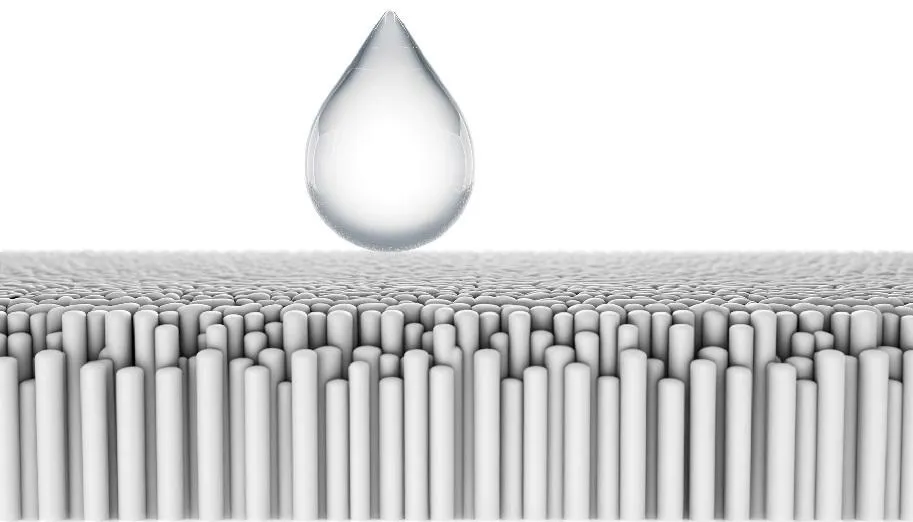
Evaporation is the process of converting a liquid into a gas. When the molecules of a liquid gain enough energy, they break away from the surface and become part of the air. This process can occur under various conditions, but it is usually accelerated by an increase in temperature or a decrease in atmospheric pressure.
Examples of evaporation in nature
Evaporation is everywhere! Here are a few examples that you encounter every day:
- Drying laundry outside: When you hang wet clothes in the sun, the water from the fabric evaporates, leaving it dry.
- Perspiration on the skin: When you are hot, your body releases sweat. Evaporating from the surface of the skin, it cools you down.
- Lakes and seas: Water evaporates from their surface, forming clouds.
Conditions necessary for evaporation
For evaporation to occur effectively, certain conditions are needed:
- Temperature: The higher the temperature, the faster evaporation occurs. This explains why summer rain dries faster.
- Airflow: Wind helps to disperse water molecules more quickly, speeding up the process.
- Humidity: The lower the humidity of the air, the faster the liquid evaporates.
Water evaporation: what is this phenomenon?
Water evaporation is not just a physical process. It has immense ecological significance. Thanks to evaporation, the water cycle in nature is formed. Water evaporates from oceans and seas, rises as vapor, and then returns to the earth as precipitation.
In what weather does liquid evaporate faster?
Of course, not all weather conditions favor rapid evaporation. Liquids evaporate fastest in warm, dry, and windy weather. For example, on a hot summer day after rain, puddles dry quickly due to high temperatures and low humidity.
What is vaporization?
Although the terms “evaporation” and “vaporization” are often used as synonyms, there is a slight difference. Vaporization is a more general term that describes the process of converting a liquid into a gas at any temperature, while evaporation usually occurs only from the surface of a liquid.
In conclusion, it can be said that evaporation is an important natural process that sustains life on Earth. Without it, there would be no water cycle and none of the wonderful natural phenomena that we have the opportunity to observe every day. So the next time you see a cloud or feel a refreshing breeze after the rain, know: it’s all thanks to the invisible force of evaporation!