Imagine Earth without water. A dry, lifeless planet where life could never have originated. What makes our planet unique? It is the hydrosphere — the water envelope that is the key to life on Earth. Let’s explore what the hydrosphere is, what it consists of, and its significance on our planet.
What is the hydrosphere?
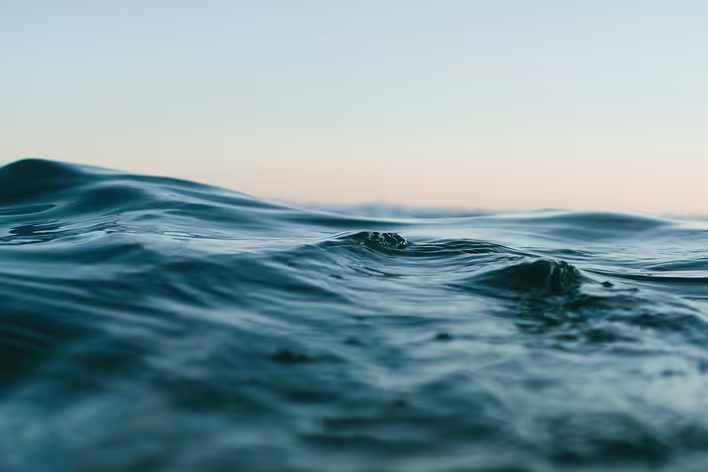
The hydrosphere is all the water that exists on Earth in various forms. It includes oceans, seas, rivers, lakes, glaciers, and even underground water. The hydrosphere is not just a part of nature; it is the foundation of all life on the planet.
What is the hydrosphere made of?
The hydrosphere consists of:
- Oceans and seas: These make up about 97% of all the water on Earth. They are the main regulators of climate and temperature.
- Glaciers and polar caps: About 2% of the water is stored in frozen form.
- Freshwater: This includes rivers, lakes, and underground water, which account for only 1% of the total amount.
What is the significance of the hydrosphere for life on Earth and for humans?
The hydrosphere performs numerous functions:
- Climate regulation: Water absorbs heat and distributes it evenly across the planet.
- Resource supply: Humans use water for drinking, agriculture, and industry.
- Biological diversity: Aquatic ecosystems support millions of species of living organisms.
Without the hydrosphere, life on Earth would be impossible. Water provides all the necessary conditions for the existence of plants, animals, and humans.
Practical tips
If you want to contribute to the protection of the hydrosphere:
- Use water wisely.
- Support initiatives for cleaning water bodies.
- Reduce plastic use, which pollutes the oceans.
Thus, the hydrosphere is not just a collection of water bodies. It is a complex system that sustains life on Earth. It provides us with resources and protects us from climate threats. Therefore, it is important to care for its preservation for future generations. Without it, we would not have the world we live in today. So cherish water — it is a true treasure of our planet!