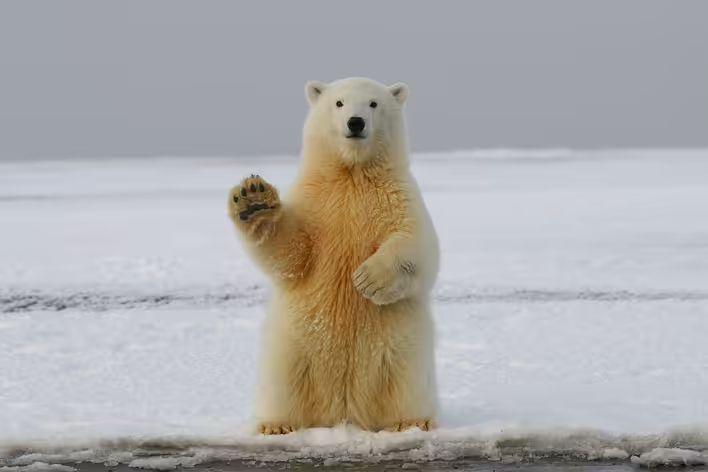
Have you ever wondered why your cat loves to hide in boxes, or why your dog always licks its paws after a walk? It's all about animal behavior, which is incredibly interesting and diverse. Animal behavior is not just their actions, but also the way they interact with their environment. It can be innate or learned, and plays a key role in the survival and adaptation of animals.
What is animal behavior?
Animal behavior is a collection of reactions and actions that animals perform in response to internal and external stimuli. This behavior can be instinctive, meaning genetically programmed, or learned through experience. For example, the nesting instinct in birds is an innate behavior, while the ability to open a door with a paw is learned.
Main types of animal behavior
Let's consider a few main types of animal behavior that help them survive and thrive in the wild.
1. Exploratory behavior
Exploratory behavior in animals manifests in their desire to explore new territories and objects. This is important for survival as it allows them to find new food sources and avoid dangers. For example, rats are known for their ability to explore new environments and quickly adapt to them.
2. Parental behavior
Parental behavior in animals includes actions aimed at caring for offspring. Examples of parental behavior can be seen in many species: from birds feeding their chicks to elephants caring for their young for several years. This behavior ensures the survival of young individuals.
3. Hygienic behavior
Hygienic behavior in animals involves actions aimed at maintaining body cleanliness. It helps prevent diseases and parasites. Cats are known for their meticulous hygienic behavior: they constantly groom their fur to stay clean.
4. Protective behavior
Protective behavior includes actions aimed at protecting oneself or offspring from danger. This can be aggression or fleeing depending on the situation. For example, a hedgehog curls up into a ball when threatened, while some birds use "false" wing injury to distract predators from their nest.
How to observe animal behavior?
You can observe animal behavior not only in the wild but also in domestic settings. Here are a few tips:
- Be patient: Animals do not always display their behavior immediately.
- Pay attention to details: Small changes in movements or sounds can tell you a lot about the animal's intentions.
- Use binoculars or a camera: This will help you observe wild animals from a distance without interfering in their lives.
Why is it important to understand animal behavior?
Understanding what animal behavior is and how it manifests helps us take better care of pets and preserve the biodiversity of the wild. This knowledge contributes to the development of ecotourism and supports ecological balance.
Animal behavior is an incredibly multifaceted phenomenon that reveals many interesting facts and observations. From exploratory to protective behavior – each action has its significance and role in the survival of the species. So next time your cat hides in a box again or your dog licks its paws after a walk, you'll know a little more about why they do that!