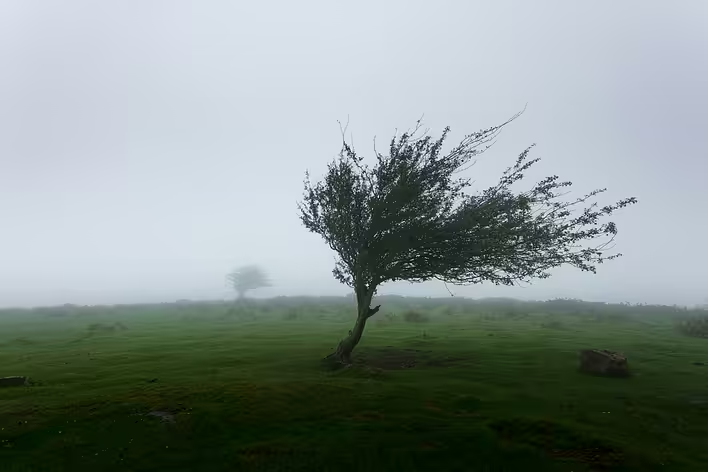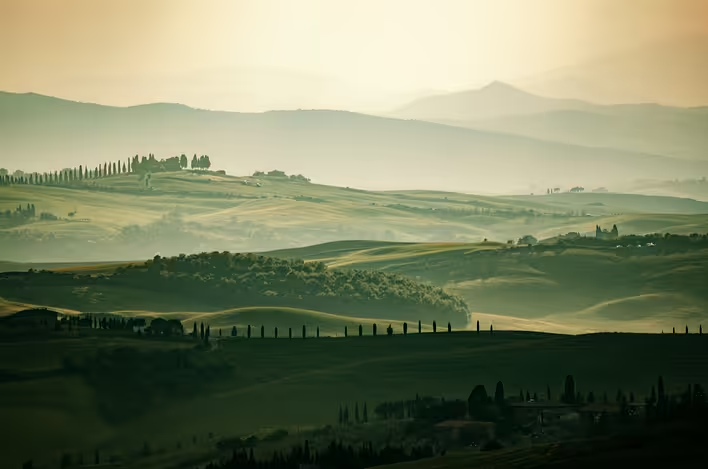
Landscape is a word we often hear, but do not always understand its meaning. In translation from German, landscape means “land” and “creation.” That is, it is not just nature, but the result of the interaction of natural and human factors. It can be a forest, a field, a city, or even your favorite park. But why is landscape so important to us? Let’s figure it out!
What is a landscape?
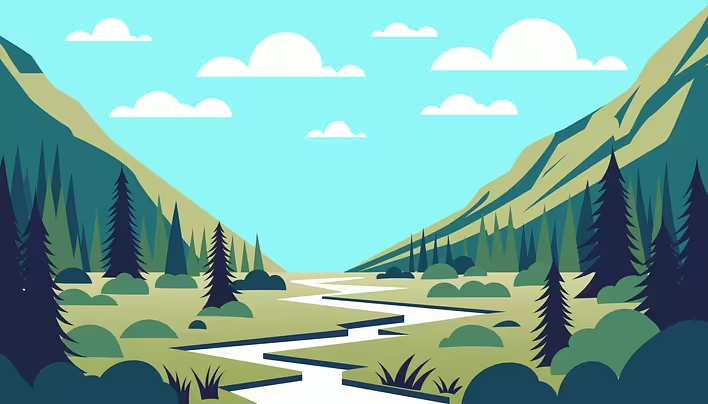
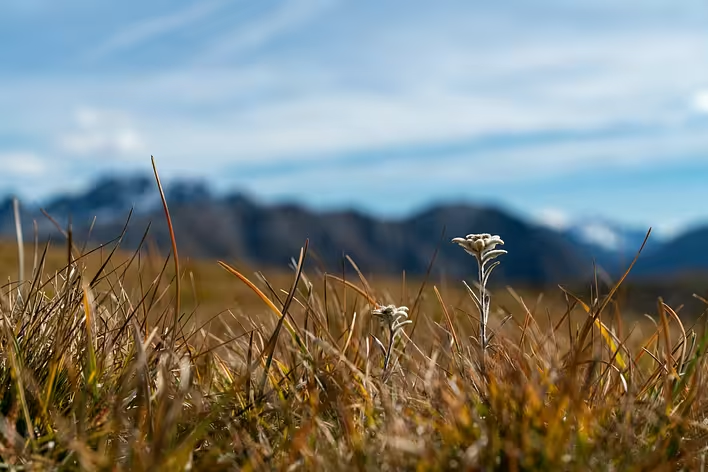
A landscape is a complex of natural and anthropogenic elements that together form a unique picture of the area. Landscapes are not just about beauty; they also affect our health, economy, and culture. For example, the mountainous landscapes of the Carpathians can be a place for recreation, a source of drinking water, or even inspiration for artists.
Main components of the landscape
- Natural elements: mountains, rivers, forests.
- Anthropogenic elements: cities, roads, agricultural lands.
- Climatic conditions: temperature, humidity.
- Biological resources: flora and fauna.
Why is landscape important?
Ecological significance
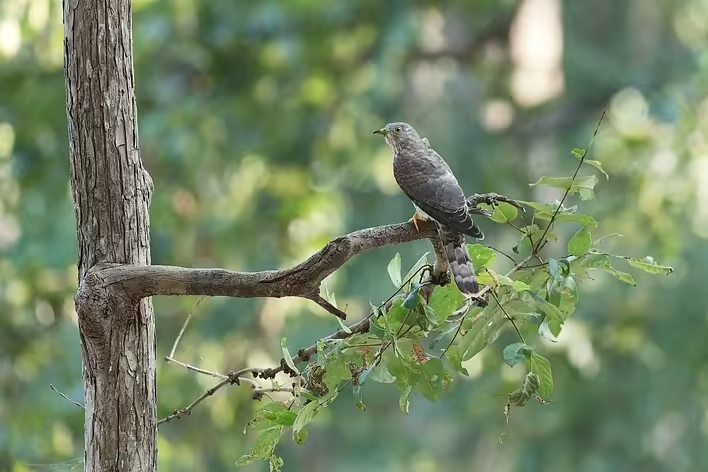
Landscapes play a key role in supporting biodiversity. They are home to countless species of plants and animals. For example, the preservation of the natural landscapes of Polissia helps maintain populations of rare bird species.
Social and cultural significance
Landscapes shape our cultural heritage. They influence the lifestyle and traditions of local communities. Imagine a Ukrainian village without its picturesque views – it would be a completely different place!
Economic significance
Tourism is one of the main sectors of the economy in many countries, which depends on natural landscapes. The Carpathians attract tourists from all over the world with their mountains and lakes.
How to preserve our landscapes?
- Wise use of resources: do not exhaust nature.
- Environmental education: teach youth to appreciate nature.
- Legislative protection: create reserves and national parks.
Practical tips
- Visit natural parks: support them financially and enjoy the beauty.
- Sort waste: less waste – cleaner landscapes.
- Use less plastic: it pollutes our planet.
Landscape is not just a view out the window. It is a part of our life that affects everything – from health to the economy. Preserving our landscapes is the task of each of us. Let’s take care of them together!