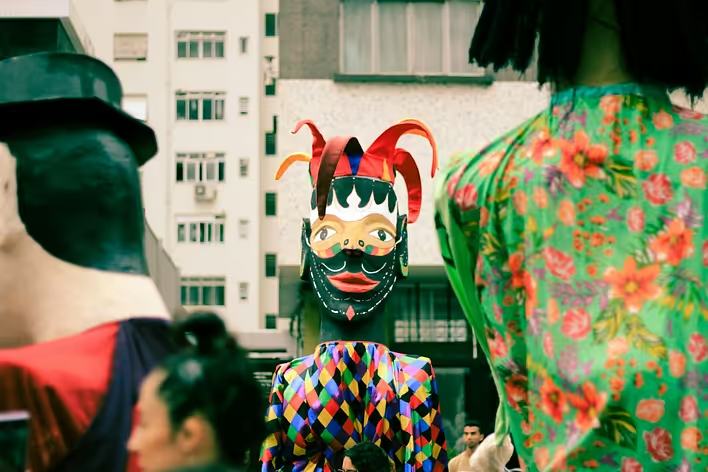
Folklore is a true treasure that preserves the wisdom of generations. When we hear the word “folklore,” we imagine tales, songs, and legends that are passed down from mouth to mouth, from grandmother to grandson. But what is folklore really? What are its features and genres? Let's figure it out together.
What is folklore?
The word “folklore” comes from the English “folklore,” which literally translates as “folk wisdom” or “knowledge of the people.” It is an art that lives in the hearts of people and is passed down from generation to generation. A folklore work is not just a text or melody; it is a part of culture, a way of thinking and expressing the people.
Main features of folklore
Folklore has the following features:
-
Orality. Folklore works are transmitted orally, without written records. This makes them alive and flexible.
-
Anonymity. The authors of folklore works are usually unknown. This is folk creativity, where the work itself is important, not its author.
-
Collectivity. They are created and changed collectively, reflecting the experience and values of the community.
-
Tradition. Although folklore adapts to new conditions, it retains traditional elements.
-
Variability. Each version of a work may differ slightly, depending on the region or performer.
Genres of folklore
The types and genres of folklore are diverse:
- Tales: Magical stories about good and evil heroes.
- Legends: Narratives about historical events or heroes with elements of fiction.
- Myths: Stories about gods and the origin of the world.
- Songs: Lyrical or epic works performed to music.
- Proverbs and sayings: Short expressions with deep meaning.
- Jokes: Short funny stories with an unexpected ending.
What does folklore mean today?
Folklore does not stand still. It continues to evolve along with society. Modern folklore includes new genres such as urban legends or internet memes. This shows that a hallmark of folklore is that it is always relevant and changes along with us.
Which feature does not belong to folklore works?
Individuality and authorship are not characteristic of traditional folklore works, as they are created collectively and passed down without mentioning a specific author.
Folklore is more than just words or melodies. It is a way of life, thinking, and expressing the people. It teaches us to value the past and adapt to the future. So the next time you hear an old song or tale, remember: it is part of a great cultural heritage that unites us all.