Triggers are invisible threads that connect us to the past, bringing memories, emotions, or even physical reactions to the surface. They can be both positive and negative. Let’s delve deeper into what a trigger is and how it works in psychology.
What is a trigger?
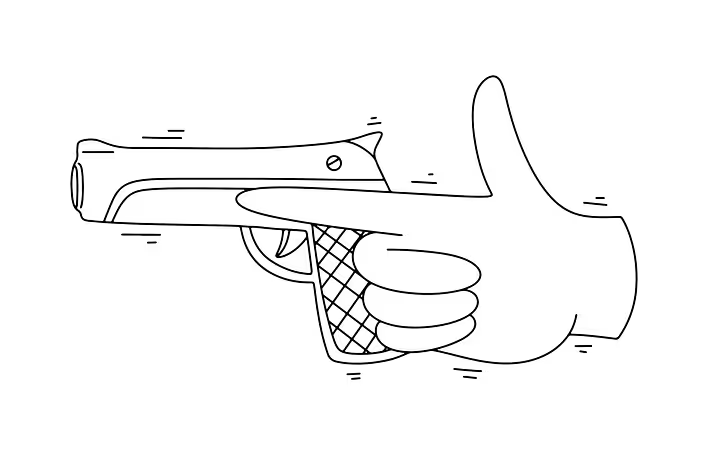
The word “trigger” comes from the English “trigger,” which literally means “a trigger.” In psychology, a trigger is any stimulus that provokes a certain reaction. This can be a sound, a smell, an image, or even a specific phrase. Triggers are often associated with past events or traumas and can evoke a wide range of emotions.
How do triggers work in psychology?
A trigger in psychology is a kind of catalyst that initiates processes in your consciousness and subconsciousness. For example, if you experienced a stressful situation during a thunderstorm, the sound of thunder may cause you anxiety even many years later. Your brain associates this sound with previous experiences and automatically activates the corresponding emotional response.
Types of triggers
Triggers can vary in nature and impact:
- Emotional triggers: They provoke strong emotional reactions such as anger, fear, or joy.
- Physical triggers: These can be certain sounds or smells that evoke physical sensations.
- Psychological triggers: Related to past experiences or traumas.
Why is it important to know about triggers?
Understanding what a trigger is and how it affects you can help you control your reactions and emotions. This is especially important for those dealing with post-traumatic stress disorder (PTSD) or other emotional issues. Knowing your triggers allows you to avoid situations that may provoke unwanted reactions.
How to cope with triggers?
It is important to learn to recognize your triggers and find ways to control them:
- Keep a journal: Write down your emotions and the situations that provoke them.
- Practice meditation: This can help reduce stress levels and improve concentration.
- Consult professionals: A psychologist or psychotherapist can help identify the hidden causes of your reactions.
Practical tips
- Create a safe environment: Surround yourself with things and people that bring you joy and comfort.
- Learn breathing techniques: Deep breathing can quickly calm the nervous system.
- Cultivate mindfulness: Practice being aware of your thoughts and feelings without judgment.
Triggers are a part of our lives, but they should not control you. Awareness and self-work will help you live more harmoniously and happily. Remember: forewarned is forearmed!